6/17/2024
Four Years of Traveling the World: Lessons I Learned as a Digital Nomad
The life of a digital nomad is far from the idealised image of working on a paradise beach in Bali. Is not for everyone. Would you dare to try it?
Table of contents
All my belongings are stored in two suitcases in a storage unit in Milan.
With a small carry-on and my backpack with my laptop, I have travelled to hundreds of cities around the world.
The life of a digital nomad is far from the idealised image of working on a paradise beach in Bali or enjoying meals with travelling friends. It’s a constant test of adaptation. Each day is an unknown, and each new destination, a challenge.
Being a nomad is not for everyone. Would you dare to try it?
This has been my life for the past four years, travelling through over 35 countries and circling the globe multiple times.
Here are some things I’ve learned along the way:
1 - Travelling the World Can Become Just Another Form of Consumption
After two years as a digital nomad, hundreds of flights, and many new languages, I found myself constantly organising the next destination.
I’d arrive in a city, settle into an apartment, and start looking for activities. First, I’d watch videos recommending places of interest, then read blogs about "the best experiences", and finally look for incredible photos on social media that I also wanted to take. Then I’d open my map application, mark dozens of places, and go for a walk.
I worked from early morning until about 3 PM. As soon as I finished, I felt a new energy, a force pushing me to go out and explore each point I’d marked on the map.
However, upon reaching the first attractions, I’d find dozens of people trying to take photos, posing and creating a false image to pretend something that clearly wasn’t happening there.
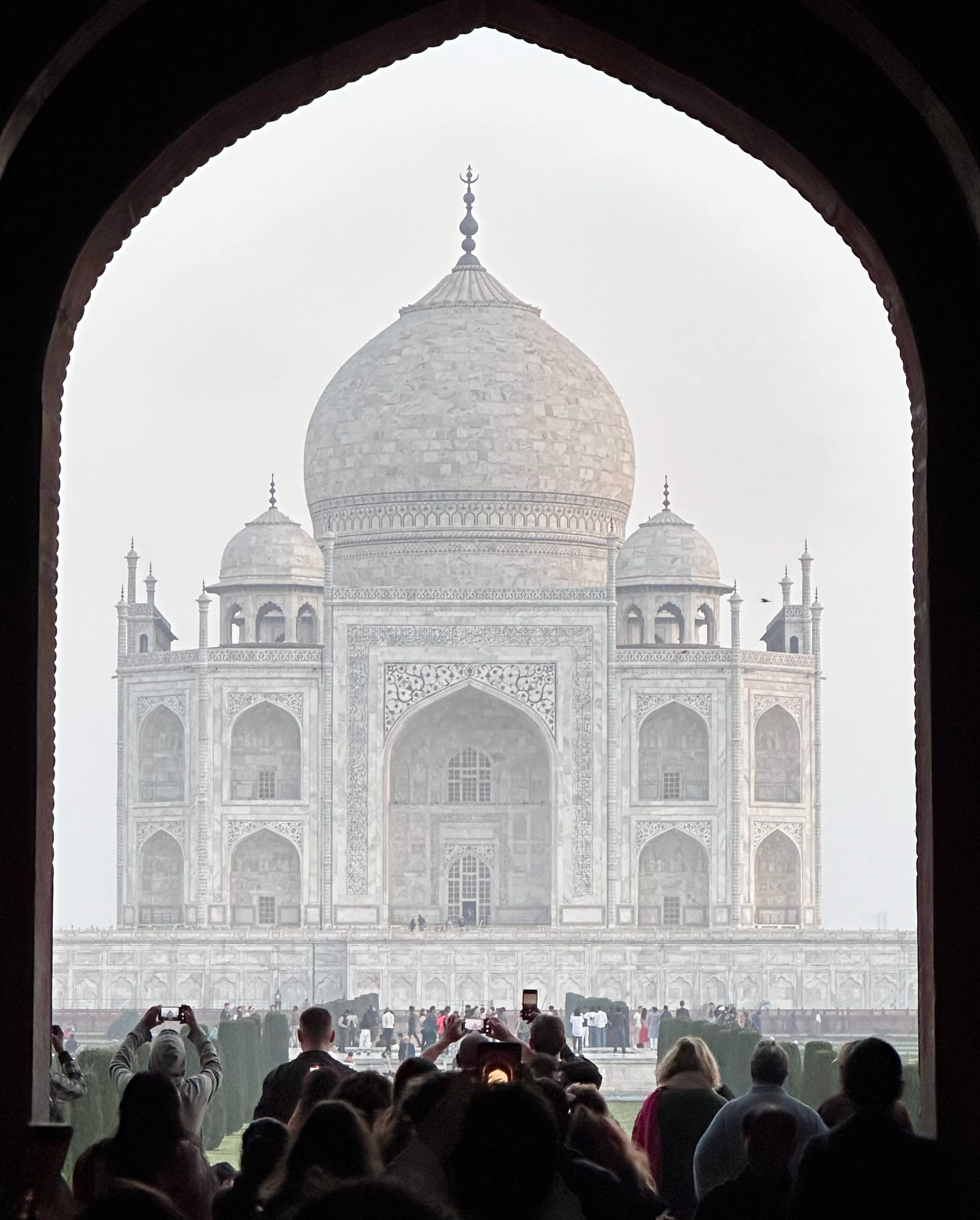
There are days when it’s just part of the scenery, but many other days it pushed me to move to the next point on my map, hoping to find a quiet place with locals, away from the frenzy of tourism and Instagram.
The problem with this dynamic is that no place I visited ever felt enough; the next one could always be a bit better. Sometimes I’d spend just 5 minutes at a site, take a photo, and leave.
I also found that the photos shown on blogs or social media often didn’t match reality: colours might be less vibrant, the weather could be bad, you might be there in the wrong season, or it could simply be crowded when you had seen it empty.
Over time, after a few days in a new country and having visited some cities, I’d already be looking for flights and accommodation for the next place, mentally preparing for what I might discover there.
My body was present in the current city, but my mind was already in the next destination. This quickly turned into travelling just for the sake of it; if I could suddenly go to any country in the world, then none of them seemed enough, because maybe the next one would be even better.
I managed to break free from this cycle by staying longer in each place. Instead of spending days or a week in a country, I began staying several weeks or months.
I started to accept that it was okay if some days I didn’t want to see anything new and just gave myself space to process everything I had experienced. There was nothing wrong with choosing to watch series in the afternoon instead of visiting the best spots marked on my map.
Recently, I learned that this is called being a “slowmad” (a slow nomad). That is, travelling slowly, taking your time, and staying in the same city for months.
2 - Wherever You Go, It’s Always About Building a Home
During my travels, my home was a luggage storage unit in Milan, Italy. I found it to be a convenient access point between my trips and left all my belongings there.
Surprisingly, I went from a full apartment in Argentina to just two suitcases. Additionally, I used another small suitcase for travelling, and at each stop in Milan, I’d try to imagine what clothes I might need for the next 6 months and pack them. I’d say that no matter what I put in there, I probably wouldn’t need it.
Over time, I realised that packing 15 shirts made no sense; I always liked to wear the same 6. Bringing shoes for potential events or special occasions meant sacrificing 20% of the space where I could have packed yerba for my mate.
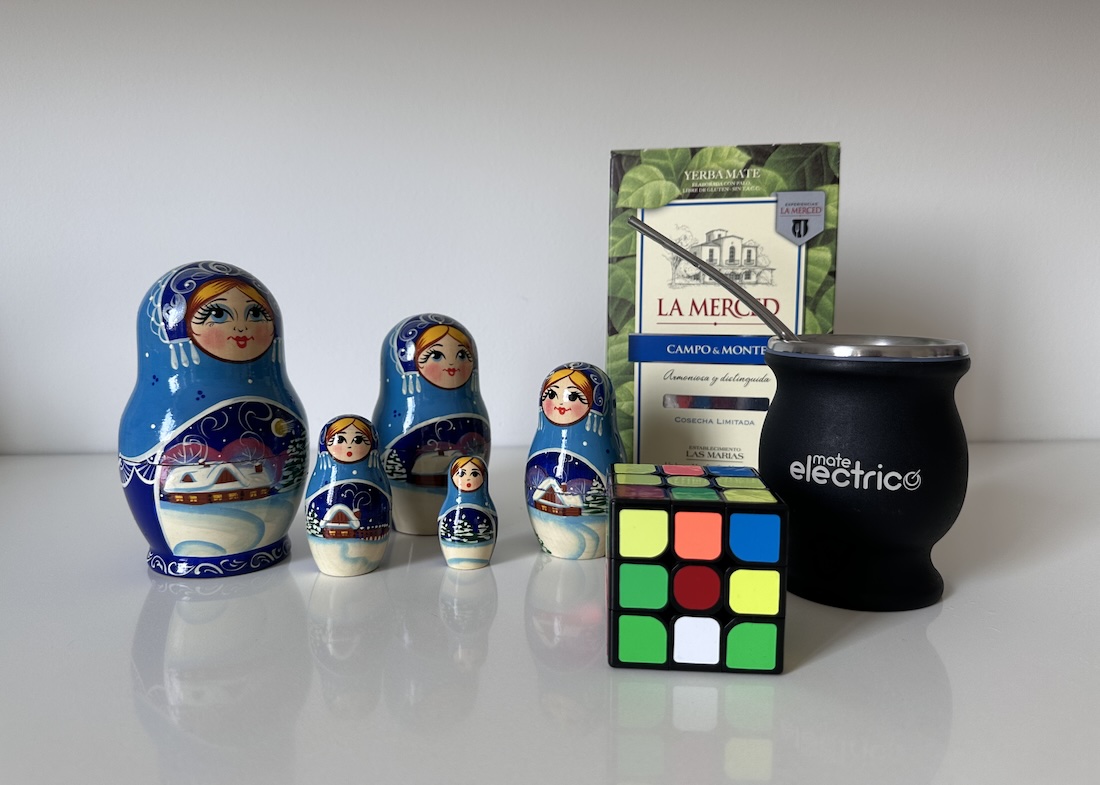
Swapping clothes in that storage unit was stressful and exhausting. I always ended up drained from the effort of going through my things and deciding what to take with me on the road.
But eventually, I started making space for unexpected items: a keepsake, some photos, something I could place in each apartment I rented that would remind me of home.
These small details, combined with the initial routines I started to build, like trying to buy the same groceries in the first few days or mixing new and exotic foods from each city with familiar ones, like my mum’s milanesas or my grandma’s pasta; exercising rigorously every other day and continuing to go to the cinema every week, gradually built a home that travelled with me.
It didn’t matter if I didn’t understand the language, if the place was more or less safe, or if the country’s customs were uncomfortable for me; as long as I could have a piece of home with me, I could feel that no matter what happened, everything would be alright.
I left a house in Argentina, but I discovered another around the world, one that doesn’t need square metres, a view, or the best location; it just needs 20% of my suitcase and a bit of time each day of travel.
3 - It’s Okay to Ask for Help, Especially Far from Home
I was used to tools that always worked: Google Maps, Uber, delivery apps, my bank cards, my mobile phone and internet, health insurance, paying for the bus with cash, and accessing online banking, among others.
That “convenience” offered by technology in some countries in Latin America, North America, and Europe doesn’t exist everywhere.
There are countries that ban Google Maps. Uber still faces regulations in some economies. Uncensored and unmonitored internet access is rare in many parts of the world.
More citizens lack access to free internet than those who have it.
Mobile phone and 5G internet service quickly run out or don’t exist for your SIM card outside your country.
Your banks might block access from outside the country, or the two-step verification system might stop working.
Some countries don’t even accept Visa or MasterCard, two of the most common cards we enjoy in the Western world.
What do I mean by this? Something you do transparently today, without thinking, trusting that it will work, might not be possible while travelling, and you’ll face the discomfort of having to ask for help from someone who doesn’t speak your language, who doesn’t share the same customs, and who might be difficult to approach depending on the country.
In all the cases where I needed help, I received it. There are good people in this world who offer help if the request is sincere and respectful.
I’ve seen locals give money to a tourist to reach the airport by taxi because they couldn’t use the trains, or invite someone to spend the night on their couch, invite them to a family meal, accompany them on an expedition, or act as a tour guide.
In Jordan, it’s customary to invite a traveller to a tea ceremony, offer the beverage, exchange glances and some words, and if all goes well, invite them to share a roof and food for a couple of days.
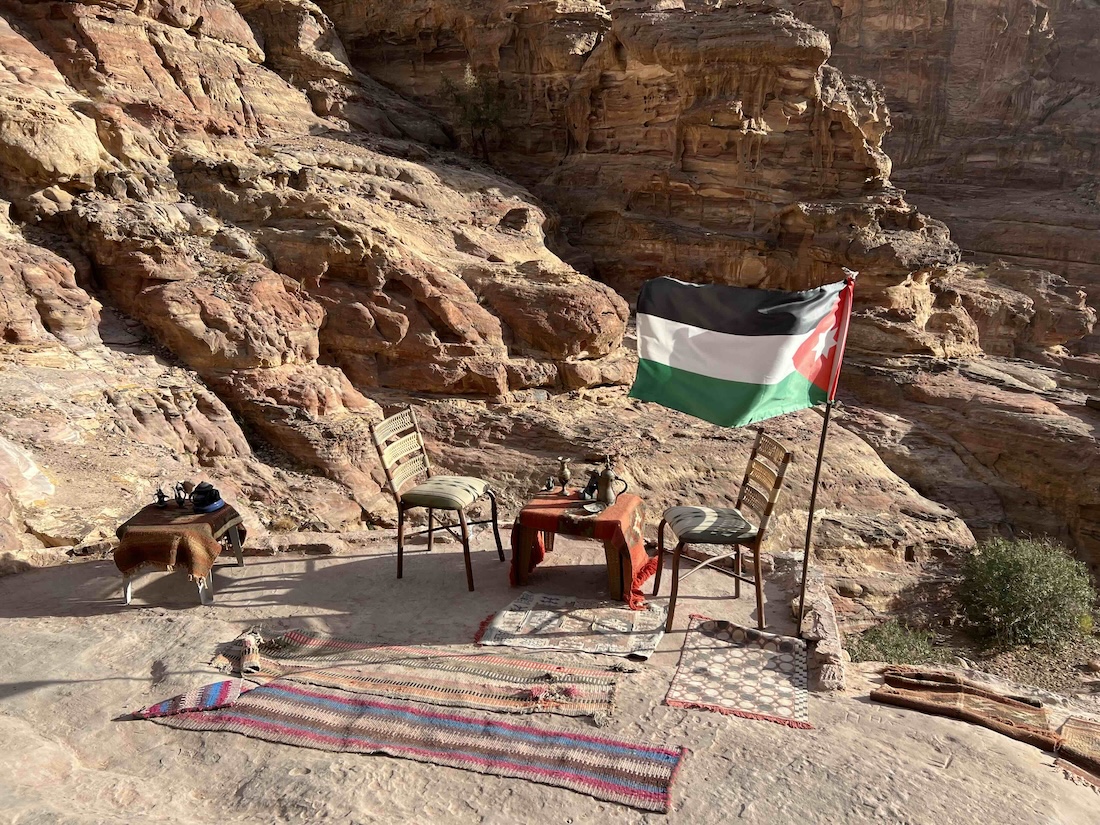
When you travel, the unknown in people brings you closer, not further away. It’s precisely this opportunity to create new connections that fosters openness and willingness. Be brave and ask for help if you need it; you’ll meet very kind people and overcome your challenges.
4 - Someday, Everything Can Go Wrong, Hopefully for Just 24 Hours
Leaving the comfort of home introduces you to a more unfamiliar world, with higher chances of facing unexpected, feared, or unimaginable situations.
In one of my travels, I was working from a café on the second floor of the building I was renting. I was wrapping up my workday, getting everything ready to go on holiday to the beach the next day, and the building’s terrace caught fire, with my apartment just below it.
It took firefighters over 4 hours to control the situation and let us back in.
When I reached my apartment door, it had a chalk cross drawn on it, and a firefighter told me I couldn’t enter, that the apartment was flooded, and the fire control system water had gone through the electrical panel.
I didn’t need anything more from there than my passport to leave the next day; the rest didn’t matter, everything could be replaced.
After several hours of insisting and asking for help, I finally managed to get in to retrieve my documents around 2 am. There was my entire apartment covered in soot, soaked, without running water and without electricity.
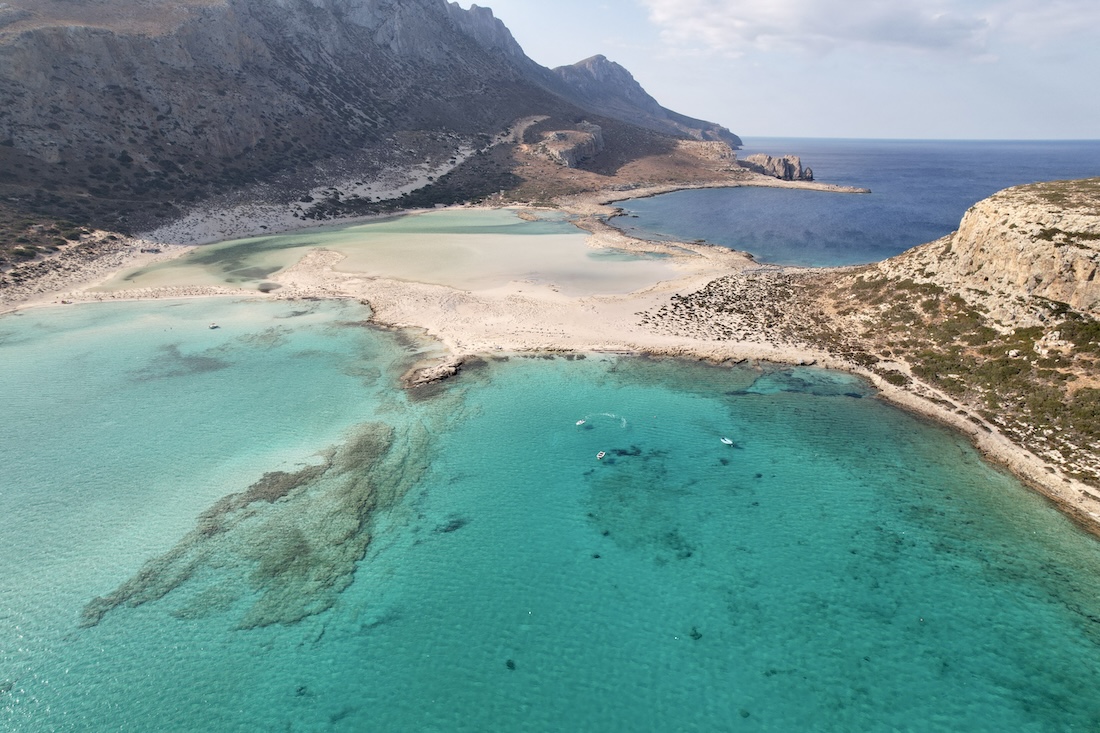
I was very tired, had 2 hours to sleep, and then had to head to the airport. I threw a towel over the bed and slept for 2 hours, packed a minimal backpack, and left for my holiday; a few hours later, I was on an island in Greece, enjoying the sun and dipping my feet in the sea.
I’ve dealt with bed bugs three times, small insects that seem to be flooding even the most touristic cities in the world, like Paris.

In my case, I found them in Spain, Israel, and Japan. Always in comfortable apartments, seemingly clean, with excellent reviews on apps like Booking or Airbnb, but with a hidden problem, which is not only difficult to eradicate but often travels with the guests and spreads.
Feeling itchy all over my body and seeing those small bugs in the mattresses was a traumatic experience. I felt helpless for not knowing how to solve it and for the hostility of some apartment owners when I reported it.
The first times were very challenging, but by the third time, I had become an expert: Today, I check every place I stay as soon as I arrive, even if it’s a five-star hotel from an international chain.
I also avoid apartments that allow pets and keep a repellent in my suitcase.
Not Everything is Grey, This is a Great Adventure!
After the first few months of travel, one day at La Alhambra in southern Spain, with a beer in hand, I wrote:
I feel happy. Discovering so many places filled with history excites me. Sitting in a café, trying a typical local dessert or cake, listening to someone attending me with a different accent or language, and opening my laptop to work… Being super focused and suddenly looking up to realise I’m in another country, in a new city, with beautiful architecture.
Resting, leaving the café to explore a square, a pedestrian street, or a central avenue full of unknown things: new places to eat, sounds, smells, and people who look different from those I grew up with.
In the afternoons, walking through tourist spots, learning history explained by a local guide, taking a break at a bar and having a beer on the sidewalk. Eating something, like fried calamari or a new local dish. Familiar in some flavours, but always with a different note: olives submerged in white pepper brine; a bruschetta with garlic mussels; or a typical sandwich but filled with fried calamari.
I find myself in every place I visit. I breathe deeply, feeling the air enter and leave, listening to my body, enjoying the flavours, and observing my surroundings. I get excited to recognise that I’m living a life I once dreamed of, that I heard and read about in thousands of adventures and films, a life I didn’t think was possible for me.
When I start to get used to the city I’m in, to its rhythms, its areas, and its monuments, it’s time to pack my suitcase and head out into the world again. It’s the signal to change the scenery and start anew in a different city.
Coming Home
I haven’t returned to Argentina yet; today, I have chosen Italy as the centre of gravity for my adventures.
Here, I rented a more permanent apartment, cancelled the storage unit in Milan, and began to rebuild a home. It’s a place to return to, a place to miss while I continue travelling, providing the security of knowing I can always come back and feel safe and protected.
It’s a space where I can sit with my mate and my orchids, remember the journey, reflect on my adventures, write them down, and, when ready, dream of the next one.
If you’ve been considering the life of a digital nomad, there’s no better time to start than now. The freedom to work from anywhere and the opportunity to explore the world while advancing your career is a transformative experience.
Start by taking small steps: work from a local café, plan a week of work in a new city, or begin by visiting a friend abroad for a few weeks.
I hope you enjoy this adventure as much as I do!